
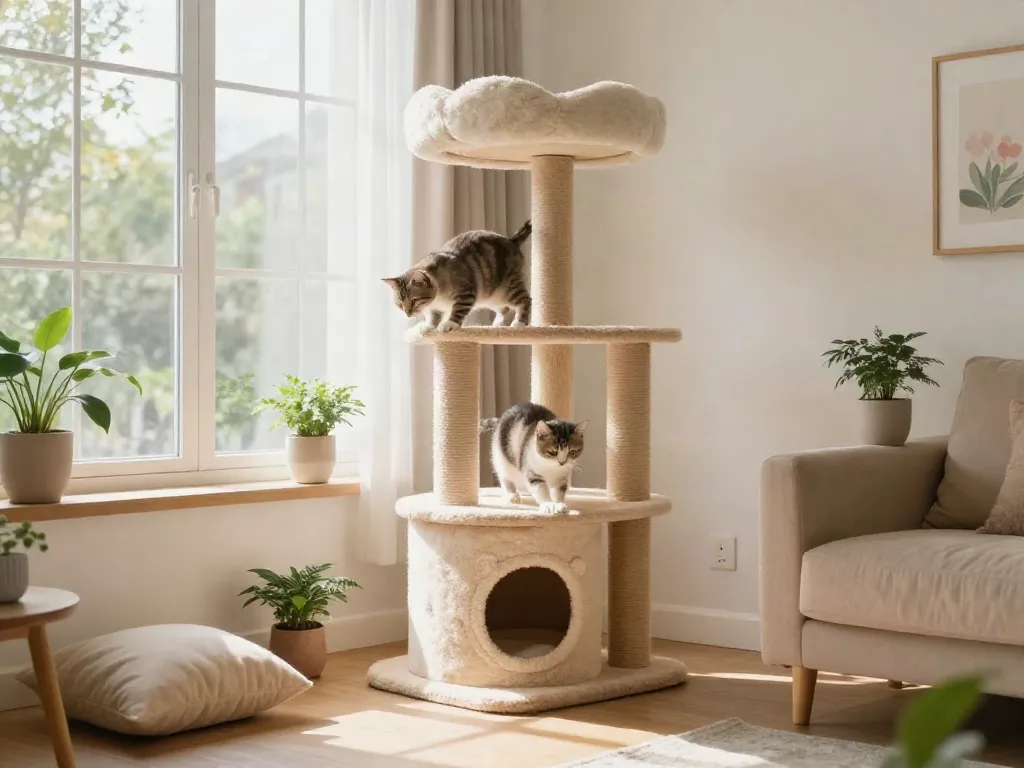
Understanding the Importance of Cat Towers and Cat Trees
For cat owners, providing a stimulating and safe environment for their furry companions is essential for their overall health and happiness. Enter the cat tower cat tree, a versatile piece of furniture that serves both as a playground and a safe haven for cats. Understanding the significance of these structures can help you create an optimal environment for your pet, ensuring they remain active, engaged, and stress-free.
What Are Cat Towers and Cat Trees?
Cat towers and cat trees are elevated structures designed for cats to climb, scratch, and rest. These multi-level units often feature platforms, ramps, and enclosed spaces, catering to a cat's natural instincts to explore and climb. They come in various designs, sizes, and materials, offering an array of options to suit every cat's personality and the aesthetic of your home.
Benefits of Cat Towers for Cat Wellness
Investing in a cat tower or tree brings numerous benefits. They encourage physical activity, contributing to your cat’s physical fitness and mental stimulation. Climbing and exploring vertical spaces can help reduce behavioural issues stemming from boredom, such as scratching furniture or excessive meowing. Moreover, these structures provide a safe space for your cat to observe their surroundings from above, giving them a sense of security and control over their environment.
Choosing the Right Cat Tower for Your Feline Friend
Selecting the perfect cat tower involves considering your cat's age, size, and preferences. Kittens may enjoy smaller, easily accessible structures, while large breeds or senior cats might require sturdy options with larger platforms. Also, consider your cat's personality; some cats prefer enclosed spaces for privacy, while others appreciate open formats for exploration.
Features to Look for in a Quality Cat Tower Cat Tree
Material and Durability Considerations
The material of the cat tower significantly affects its longevity and safety. Look for options made from durable materials like solid wood or high-quality plywood, reinforced with sturdy scratching surfaces. Avoid cheaper materials that may not withstand your cat's playfulness. Additionally, check that any fabric used is washable or easy to clean, as maintaining hygiene is crucial for your cat’s health.
Size and Design: Accommodating Different Breeds
Cat trees come in various sizes and designs. It's essential to choose a model that can comfortably accommodate your cat’s size. For larger breeds, opt for taller towers with wider platforms, while smaller breeds may be satisfied with compact designs. Also, consider the layout of your home: a space-saving design may be ideal for smaller living areas, whereas larger homes can benefit from multi-level units.
Safety Features to Ensure Your Cat’s Well-being
Safety should be a top priority when selecting a cat tower. Ensure the structure has a robust base that prevents tipping during active play. Look for features like rounded edges to reduce the risk of injury and enclosed areas where your cat can retreat if they feel threatened. Additionally, make sure any toys attached are securely fastened to prevent choking hazards.
Setting Up Your Cat Tower for Maximum Enjoyment
Optimal Placement in Your Home
Where you place your cat tower can significantly influence its usage. Position it near a window to give your cat a view of the outside world, as many cats love to observe birds and other wildlife. Ensure it’s located in a quiet area where your cat can feel secure, but also accessible enough that they will want to use it frequently.
Customizing the Cat Tower with Accessories
Adding accessories to your cat tower can enhance your cat’s experience. Consider incorporating additional scratching posts, hanging toys, or soft bedding to create a more inviting atmosphere. Some cat owners also use catnip to attract their feline friends to the tower, making it a more appealing space.
Encouraging Your Cat to Use Their Tower
Training your cat to use their new tower involves patience and positive reinforcement. Begin by placing treats or favourite toys on the various levels of the tower. Encourage your cat to explore by using gentle coaxing when they hesitate. Over time, your cat will associate the tower with fun and play, increasing its usage.
Maintenance Tips for Longevity of Your Cat Tower
Cleaning and Care Best Practices
Regular maintenance is key to prolonging the life of your cat tower. Vacuuming it frequently helps remove fur and dander, while spot cleaning any spills or stains can keep it looking new. If your cat’s scratching posts are becoming worn, consider replacing them before they damage the structure or start to deter your cat from using the tower.
Repairing Common Issues and Wear
Over time, wear and tear are inevitable with any pet furniture. Ensure to regularly inspect the structure for loose parts or frayed ropes. Simple repairs, such as replacing scratching surfaces or reattaching loose components, can extend the life of your cat tower significantly.
When to Consider Replacement of Your Cat Tree
Knowing when to replace your cat tower is important. If the structure becomes unstable or if the materials start to break down, it's time for a new one. Additionally, if your cat shows a marked decrease in interest in their tower, it may be a sign that it's time to refresh their environment with a new model.
Trends and Innovations in Cat Towers for 2026
Smart Features in Modern Cat Towers
The future of cat towers is increasingly tech-savvy. New models offer smart features such as built-in sensors that track your cat’s activity, allowing you to monitor their playtime and exercise levels. Many towers now also integrate with smart home systems, providing ease of access and control.
Eco-Friendly Materials and Sustainable Practices
As more pet owners become environmentally conscious, there is a growing trend towards eco-friendly cat towers made from sustainable materials. Look for products that use recycled wood, organic fabrics, or non-toxic finishes. Supporting brands that prioritise sustainability can enhance your cat's living environment while protecting the planet.
Design Innovations: Stylish Towers for Modern Homes
Today's cat towers are not just functional but also stylish. Many brands are focusing on aesthetic appeal, offering sleek designs that complement modern home décor. From minimalist styles to chic designs, there’s a cat tower to suit every interior, making them a fashionable addition to any room.
What is a cat tower cat tree?
A cat tower, often referred to as a cat tree, is a multi-level structure designed for cats to enjoy climbing, playing, scratching, and resting. These towers can vary significantly in design and features, from simple scratching posts to elaborate playhouses with multiple levels.
How do I choose the best cat tower for my cat?
Choosing the right cat tower involves assessing your cat's size, age, and preferences. Take into consideration the tower's dimensions, materials used, and safety features. It’s also wise to observe your cat’s behaviour to determine what style of tower would suit them best.
Are cat trees beneficial for my cat's health?
Yes, cat trees are highly beneficial for your cat's physical and mental health. They provide essential exercise by encouraging climbing and jumping, which can help prevent obesity and promote muscle strength. Additionally, they serve as a safe space to reduce stress and anxiety.
What should I look for in a cat tree?
When selecting a cat tree, pay attention to the materials, safety features, size, and design. Look for durable, non-toxic materials, a sturdy base, and secure spots for climbing. Ensure it includes various climbing features and scratching surfaces to keep your cat entertained.
How can I train my cat to use a cat tower?
Training your cat to use a cat tower can be achieved through positive reinforcement. Start by placing treats or familiar toys on different levels of the tower, encouraging exploration and play. Be patient, as some cats may take longer than others to adapt.